Hot lime mortar has seen a renewed interest in recent years, particularly in the repair of historic brickwork and stonework. At R. Moore Building Conservation, we are experienced in specifying and using a full range of lime mortars, selecting each type carefully to suit the building, its condition, and its exposure.
We routinely work with:
Hot lime mortars
Pre-blended conservation mortars
Lime-pozzolan mixes
Natural hydraulic lime (NHL) mortars — NHL 2, NHL 3.5 and NHL 5
Non-hydraulic (lime putty) mortars
Each has its place. The choice depends on factors such as substrate, moisture movement, exposure, and the degree of strength or flexibility required.
Hot lime mortar – produced by combining quicklime with aggregate and water during the slaking process – offers a number of practical advantages when used in the right context. The heat generated during mixing improves workability and helps create a cohesive mortar that bonds well with masonry.
When it is applicable, it is beneficial to the building. Like other lime mortars, it remains vapour permeable, allowing moisture to move through the fabric rather than becoming trapped. This reduces the risk of decay in adjacent materials. It also accommodates slight movement within the structure, which is essential in older buildings.
Importantly, lime mortars do not reach full strength quickly. Instead, they gain strength gradually over time, supporting the long-term performance of the masonry without introducing unnecessary rigidity.
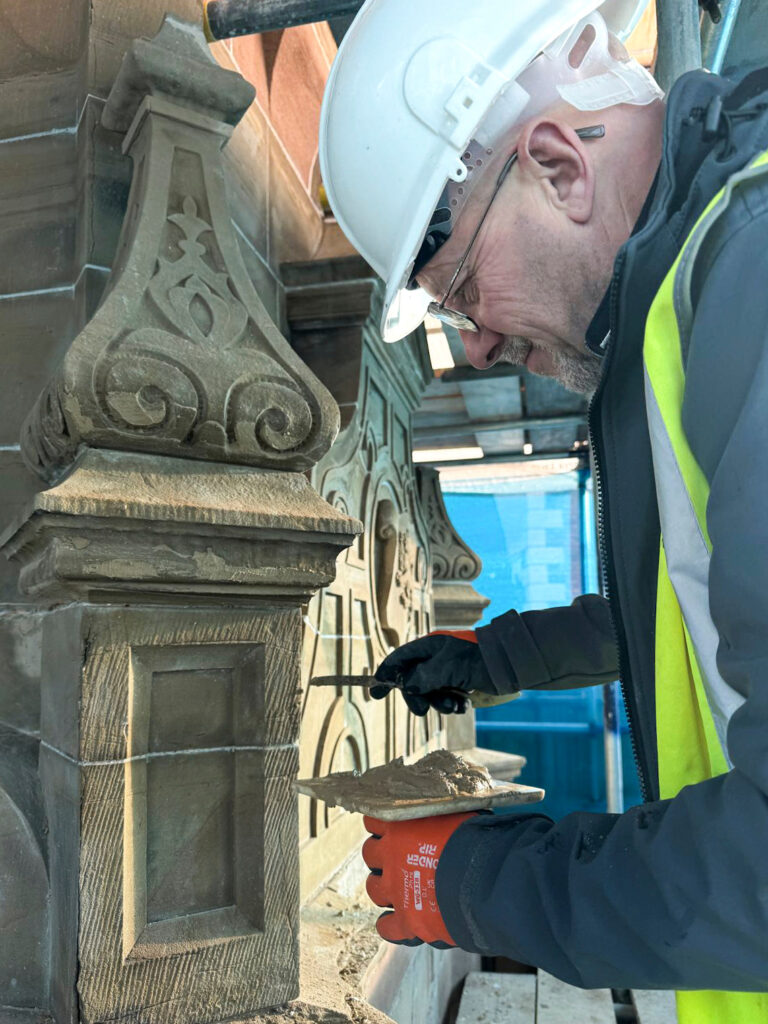
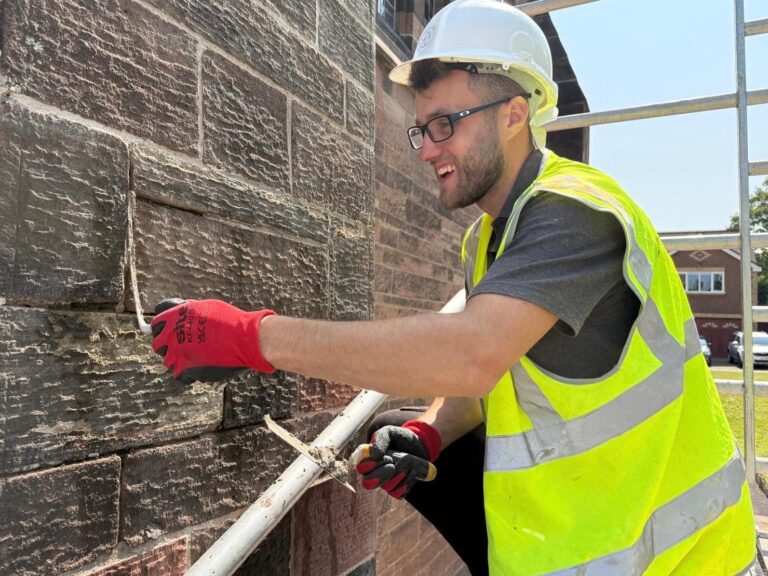
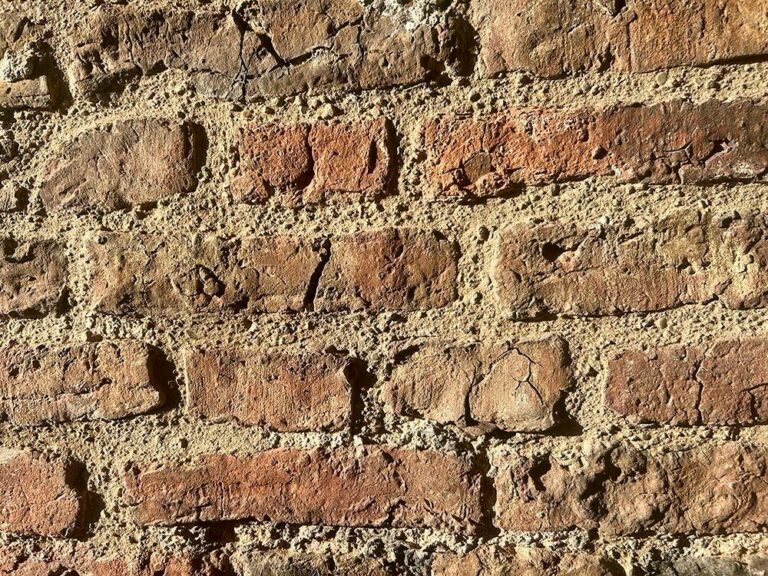
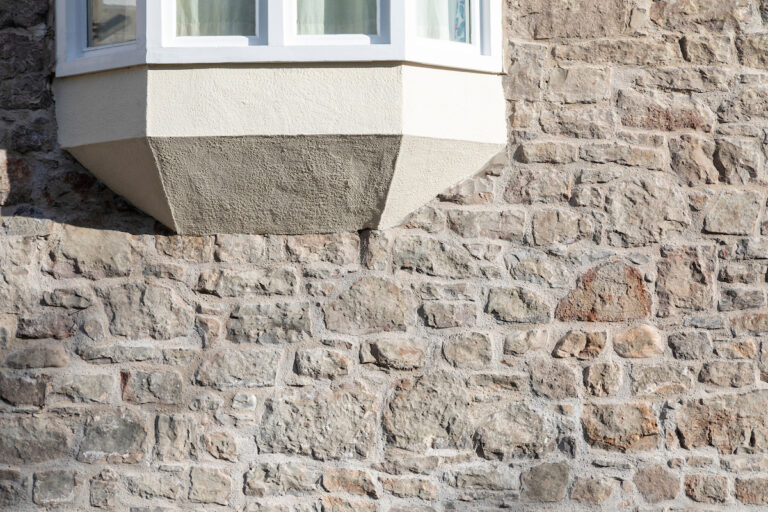
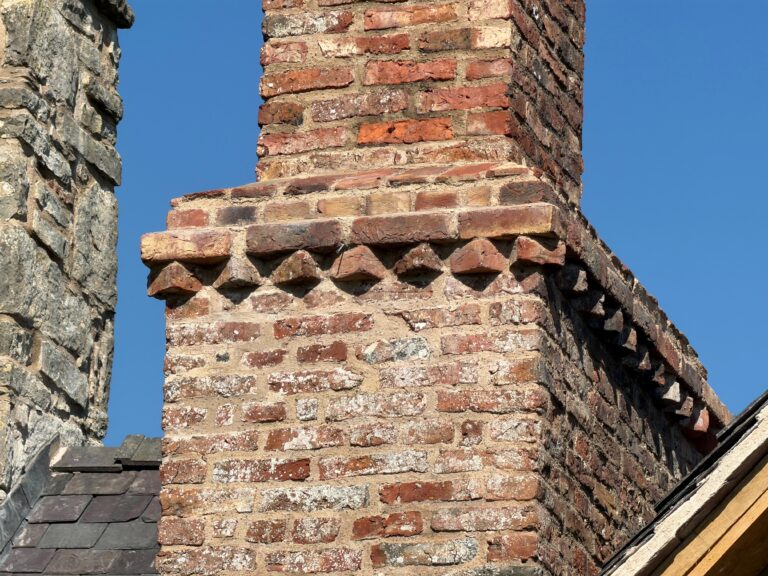
We have used hot lime mortars on a number of recent projects in both brick and stonework, where conditions and historic context made it an appropriate choice. As with all conservation work, the key is not simply the material, but its correct use.
Selecting the right mortar requires an understanding of the building’s history, materials, and current condition. Our approach is always to work with specifiers recommendations or help with specification, by assessing each site individually and applying the most appropriate solution – ensuring compatibility, durability, and a considered repair.