From Cohort to Conservation: Building on the Legacy of the Humble Brick
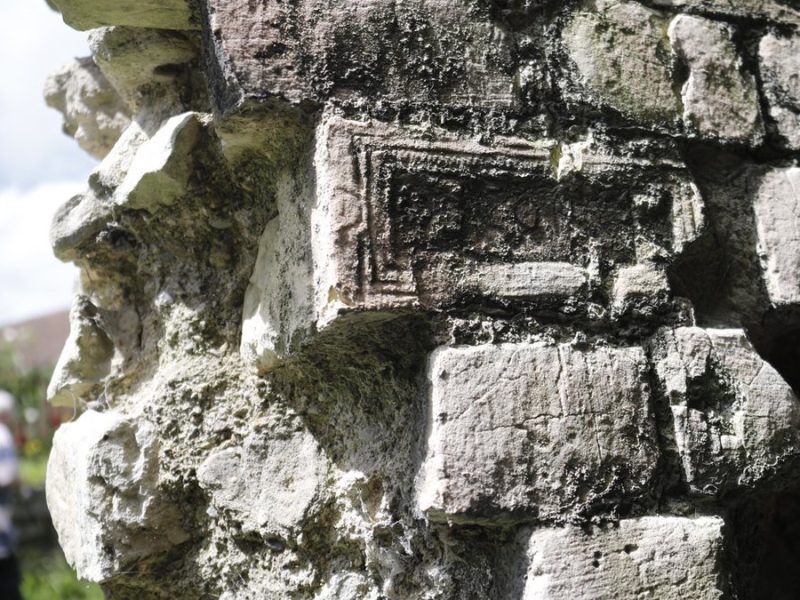
It might come as a surprise, but the humble brick has been used in construction for thousands of years. Some of the UK’s oldest surviving bricks can still be seen in the Roman walls of York—among them, bricks hand-made over 1,700 years ago and stamped with the insignia of the Roman 7th Cohort, still visible near Monk Bar.
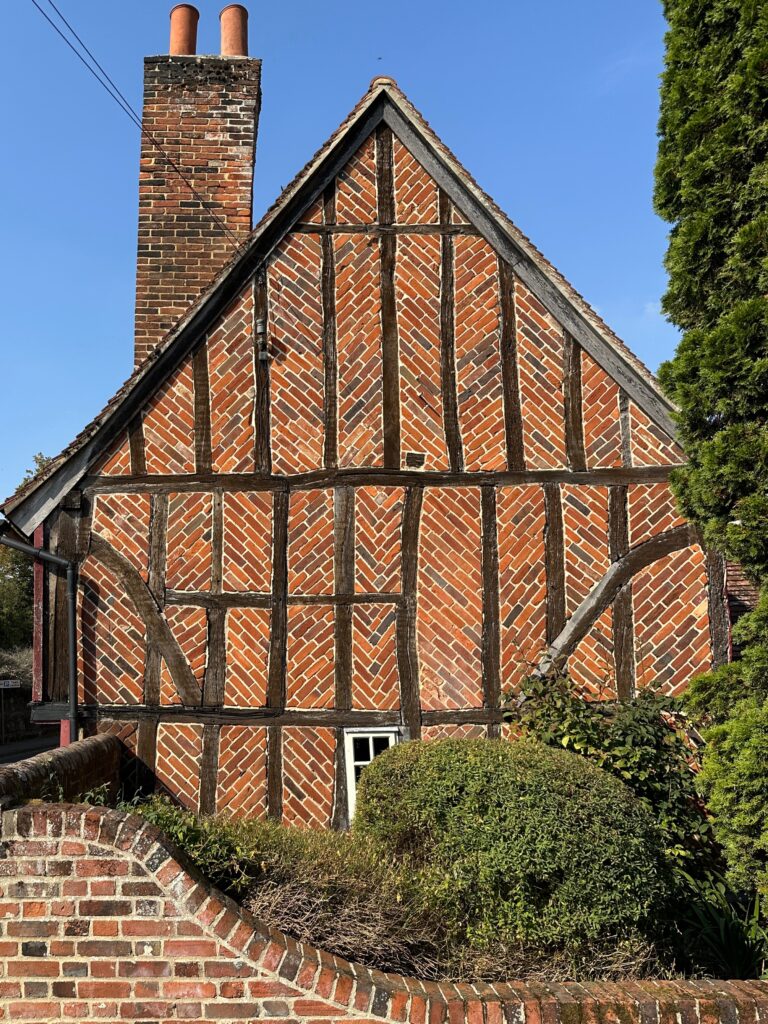
Above: Traditional brick herringbone nogging in Saffron Walden.
For centuries, bricks were produced by hand using clay dug from local pits. Their colours, textures, and finishes reflected the geology of the area, giving each building a unique character. This local variation contributes greatly to the identity of our historic towns and cities.
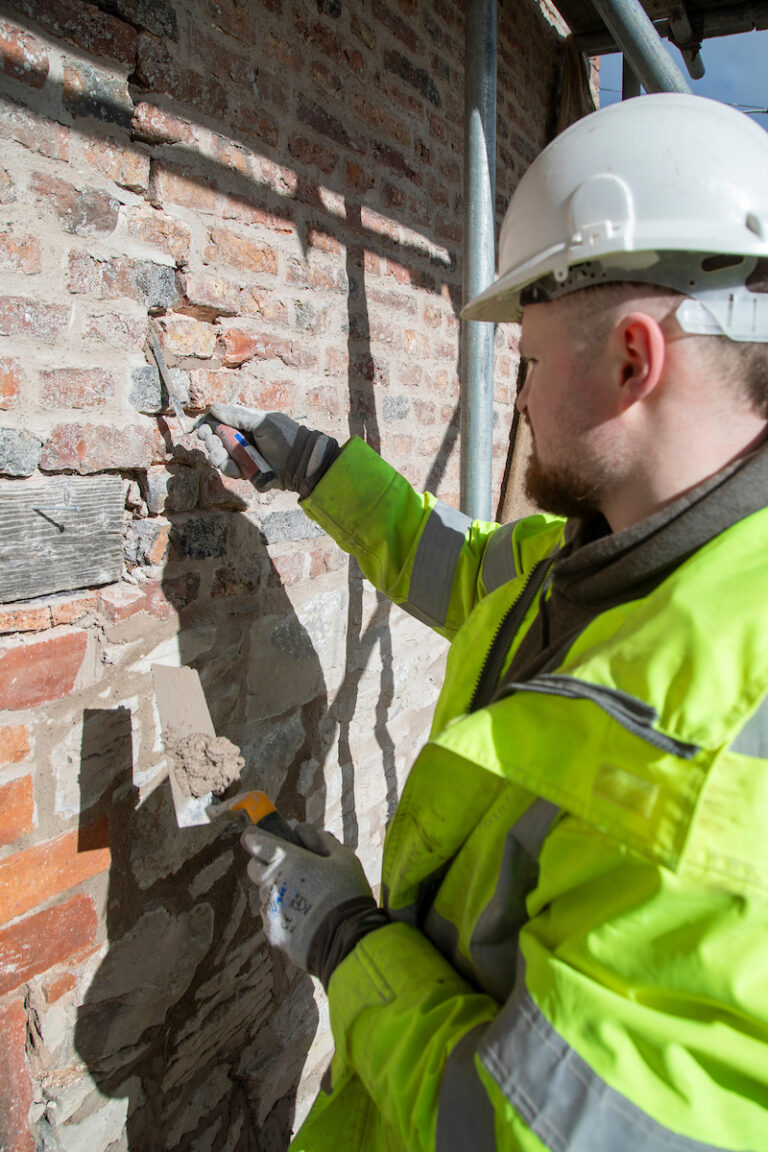
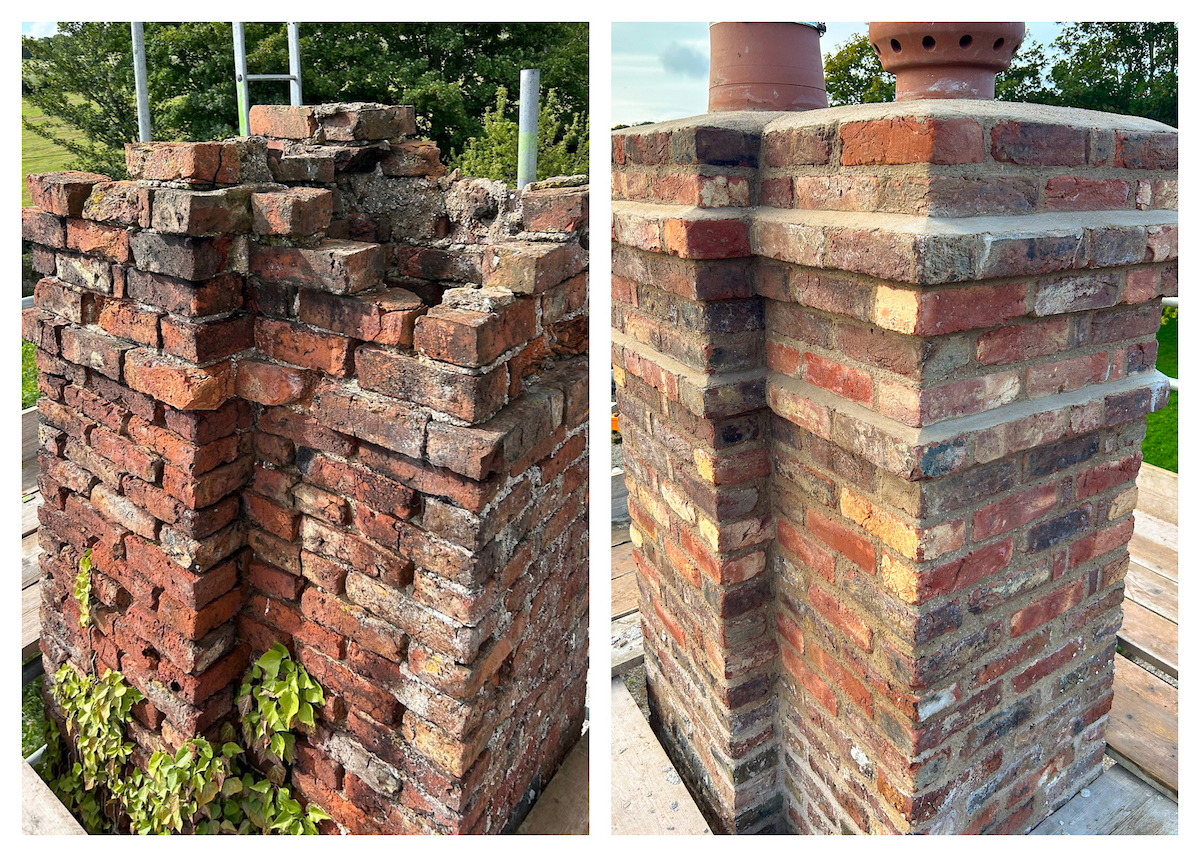
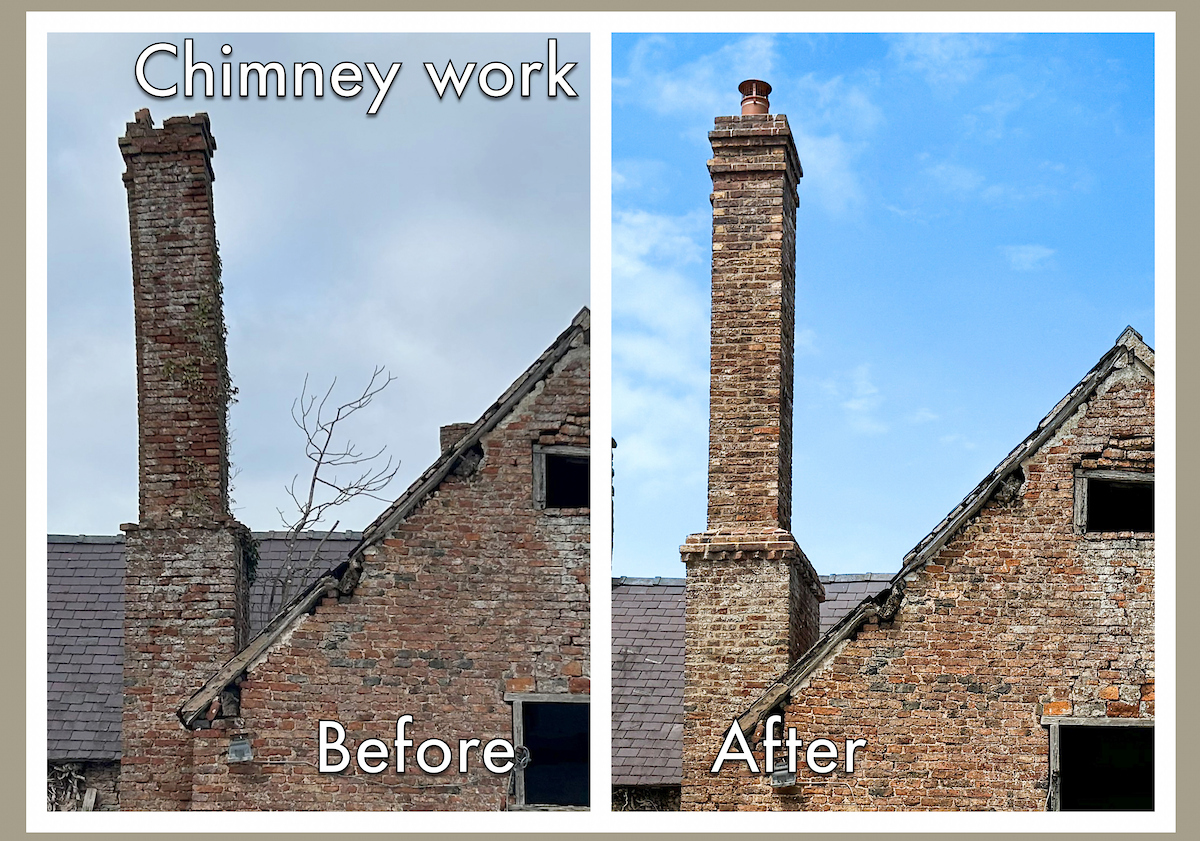
At R. Moore Building Conservation, we understand the importance of preserving this character. Whether it’s conserving a traditional Flemish bond, repointing with lime mortar, or sourcing and installing specially made hand-crafted bricks, our approach is always informed by a respect for traditional materials and methods.
Brickwork might look straightforward, but its conservation demands expertise, attention to detail, and a deep appreciation of local heritage.