Ecclesiastical buildings present some of the most demanding challenges in building conservation. Many are the oldest structures in their towns and villages, having served their communities continuously for hundreds of years. Over that time they have adapted to changing patterns of worship, evolving community needs and successive generations of repair – each leaving its mark on the historic fabric.
Today, those challenges continue to evolve. More frequent periods of intense rainfall, changing environmental conditions, new approaches to heating and ventilation, and increased expectations for accessibility and community use all influence how these historic buildings perform. Responding successfully requires more than traditional craft skills – it demands a thorough understanding of how churches have evolved and how each element of the building works together.
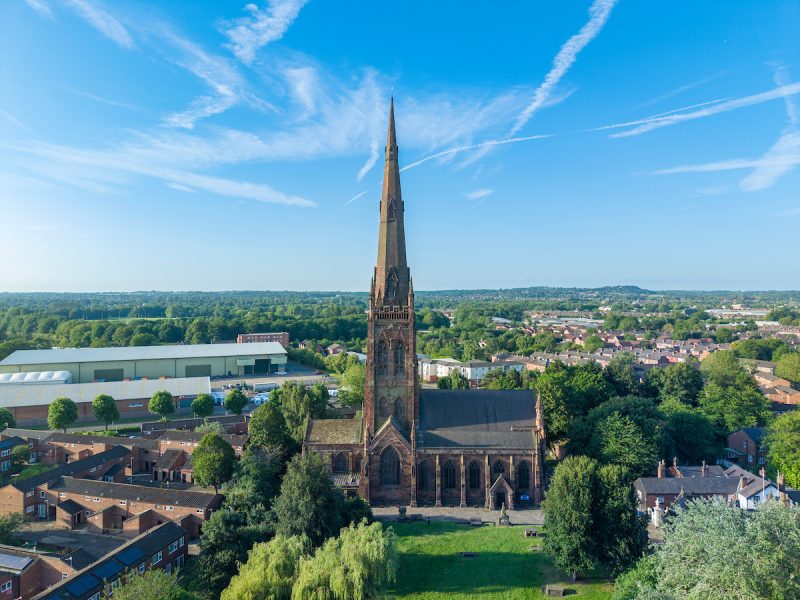
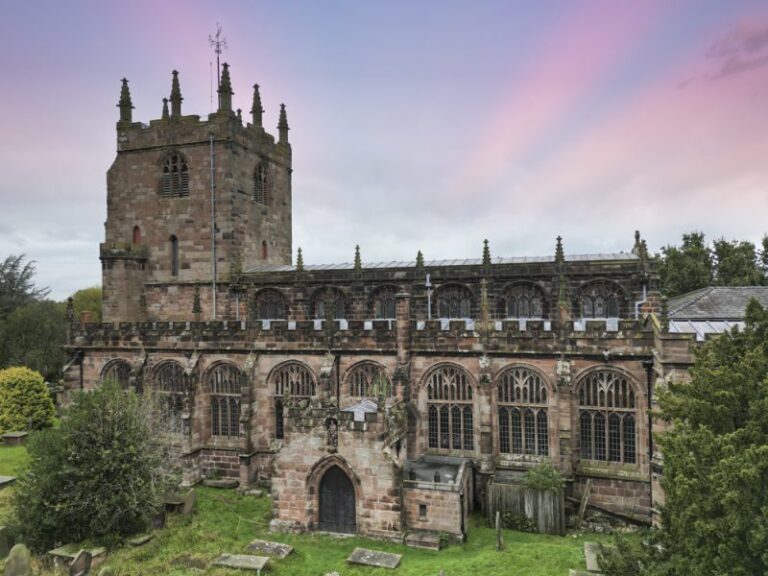
St. Thomas The Martyr, Upholland.
Successful ecclesiastical conservation therefore begins long before any repair takes place. It requires a detailed understanding of traditional materials, historic construction techniques and the way churches have developed over centuries. Equally important is recognising that a church does not exist in isolation. Churchyards, boundary walls, mature trees, drainage, monuments and the surrounding landscape all contribute to the condition, significance and long-term performance of the building.
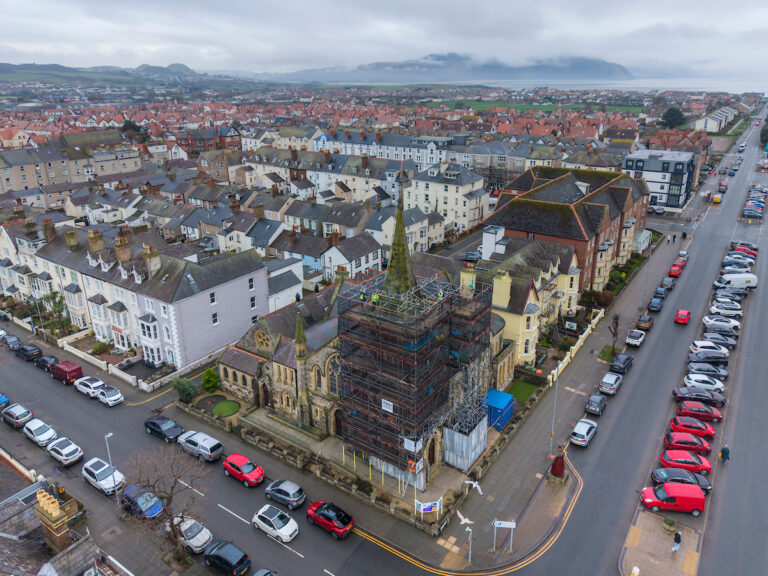
Gloddaeth United Church
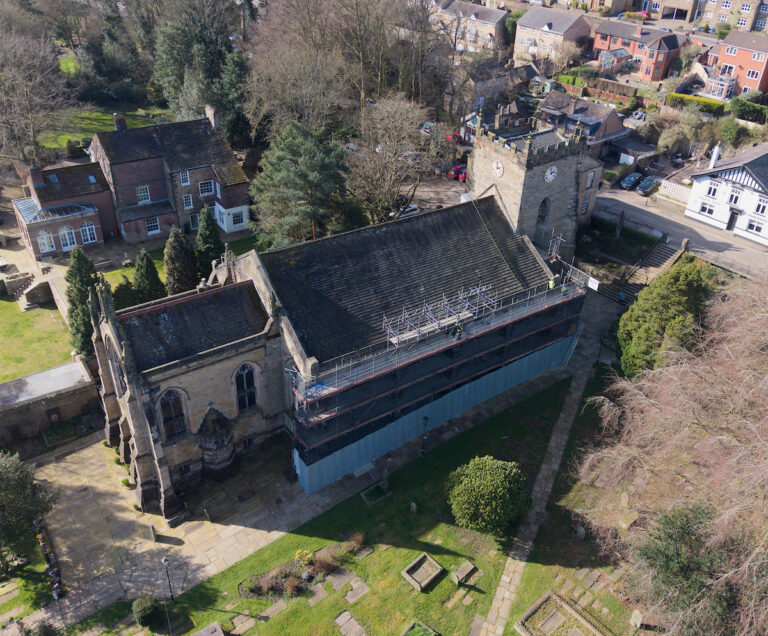
This philosophy underpins every ecclesiastical project we undertake. At St Tudclud’s Church, Penmachno, relatively modest repairs to rainwater goods and masonry were designed to prevent more significant deterioration in the future. At St Cedol’s Church, Pentir, careful attention to vegetation, open joints and localised stone repairs protected the building before more extensive defects could develop. More complex projects at St John’s Church, Llandudno, Gloddaeth United Church and St Thomas the Martyr, Up Holland required the same measured approach – combining thorough investigation with traditional materials, compatible repair techniques and skilled craftsmanship to conserve historic fabric while supporting the continued life of these important buildings.
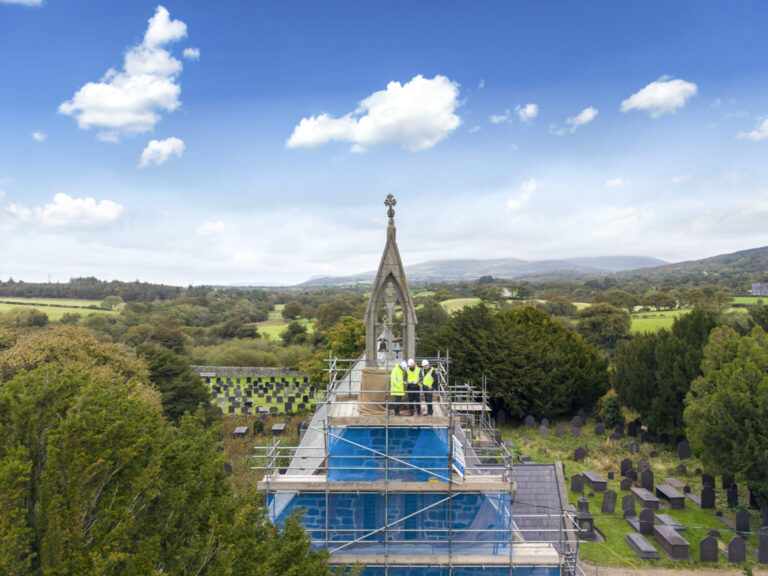
St. Cedol’s, Pentir
For us, ecclesiastical conservation is about understanding before intervention. By considering each church as a complete historic environment – its fabric, its setting and the many factors influencing its condition – we can deliver carefully considered repairs that protect both the significance of the building and its future for generations to come.