Ancient Science, Living Tradition at Nant Clwyd Y Dre
Scientists have just uncovered another piece of the Roman mortar puzzle – showing that the extraordinary longevity of places like Pompeii comes down to hot-mixing: a technique that uses lime to create a material able to flex, breathe, and even self-heal.
What’s striking is how familiar this feels to anyone working in vernacular tradition using traditional skills.
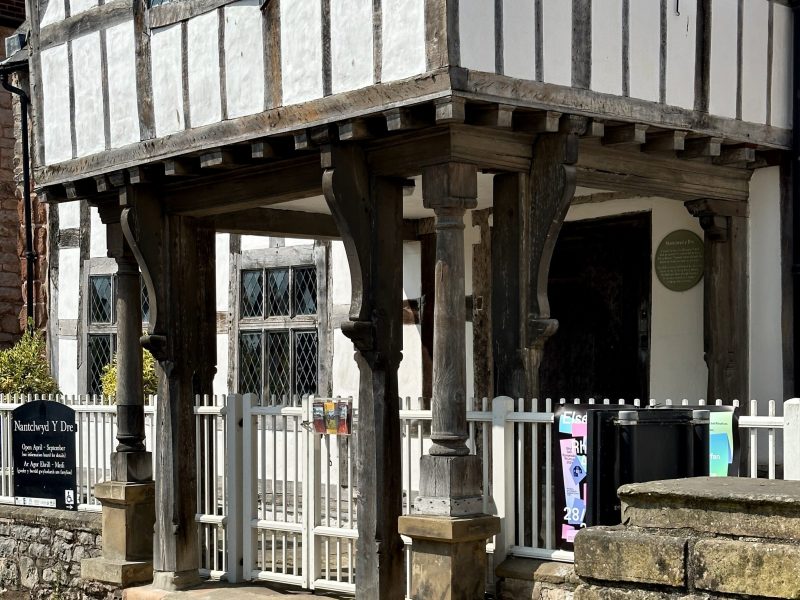
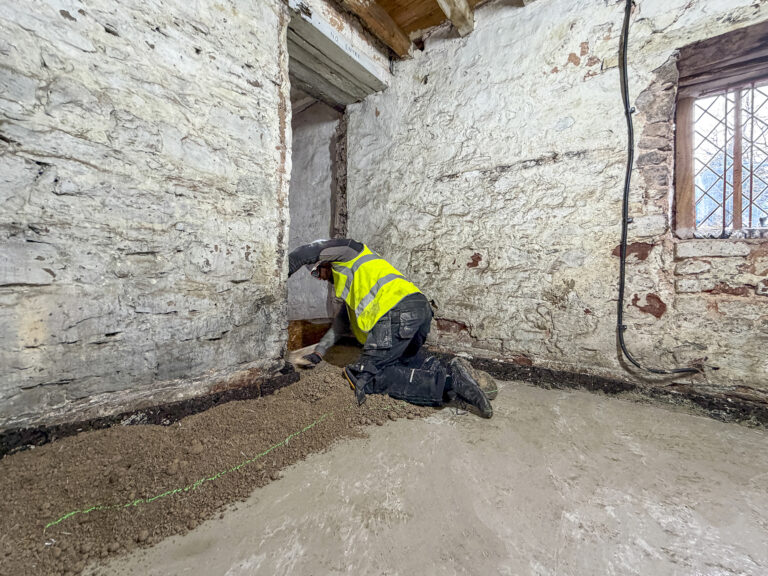
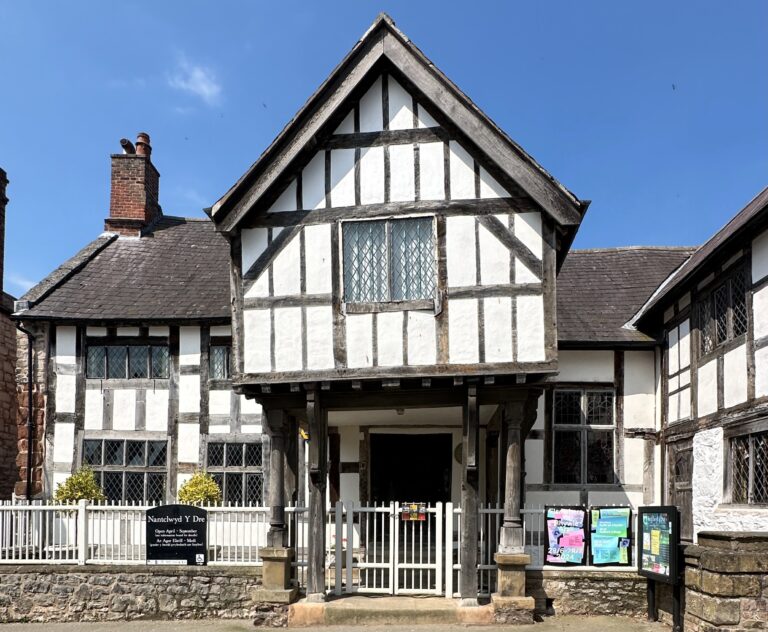
At Nantclwyd y Dre in Ruthin – one of Wales’s oldest timber-framed town houses – RMB Conservation have been installing (as well as hemp plastering and traditional lime-haired plastering) a new limecrete floor. Limecrete isn’t a modern add-on. It sits firmly within the lineage of traditional building craft. Like the Roman material, it’s breathable, gentle on old masonry, and allows moisture to move through a building rather than trap it.
And a building like Nantclwyd y Dre deserves nothing less.
Dating back to 1435 and expanded through every century that followed, it’s a living record of domestic life in Wales – from medieval hall house to elegant gentry residence. Today it’s cared for by Denbighshire County Council and open to the public, making it one of the best places to see how a house evolves over time.
So while the headlines rightly celebrate the rediscovery of ancient techniques, we have been steadily using those same principles to keep our historic places healthy – ensuring that buildings with centuries of memory continue to breathe, settle, and endure.