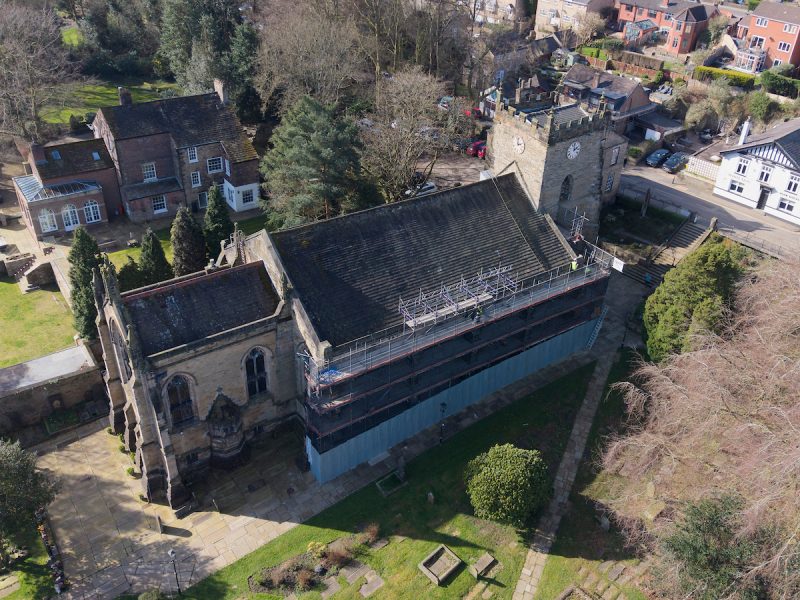
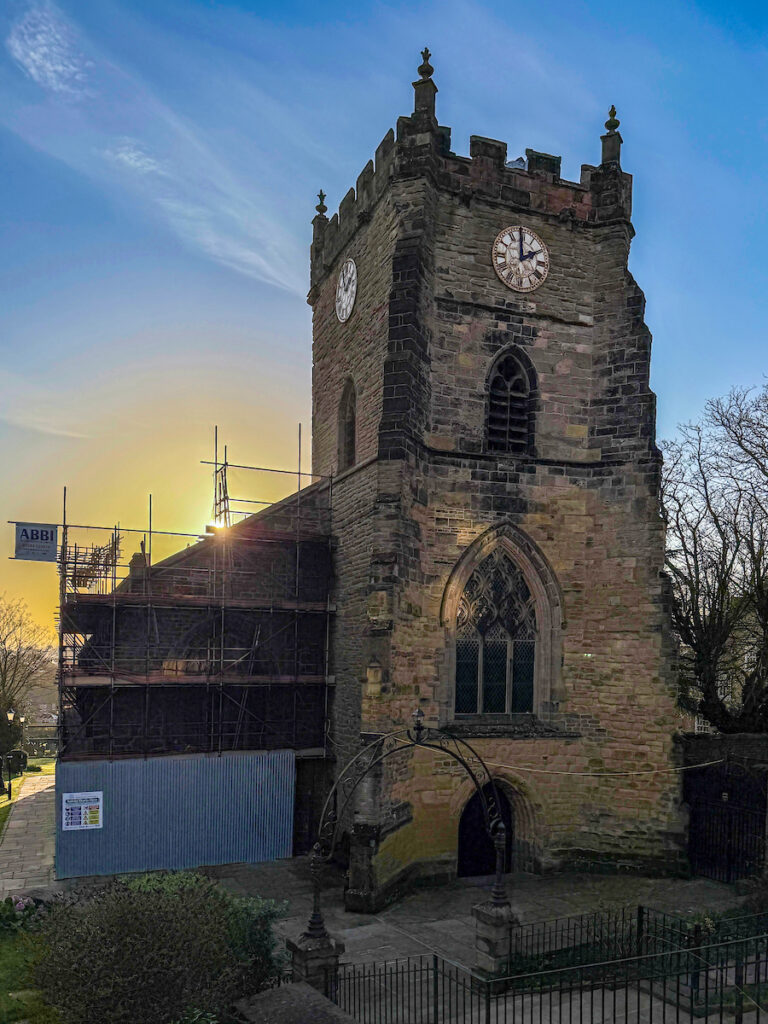
We approach every building with the same care and attention — but at the ancient Grade I listed Church of St Thomas the Martyr, Up Holland, Lancashire, there was a distinct sense that the eyes of the past were upon us.
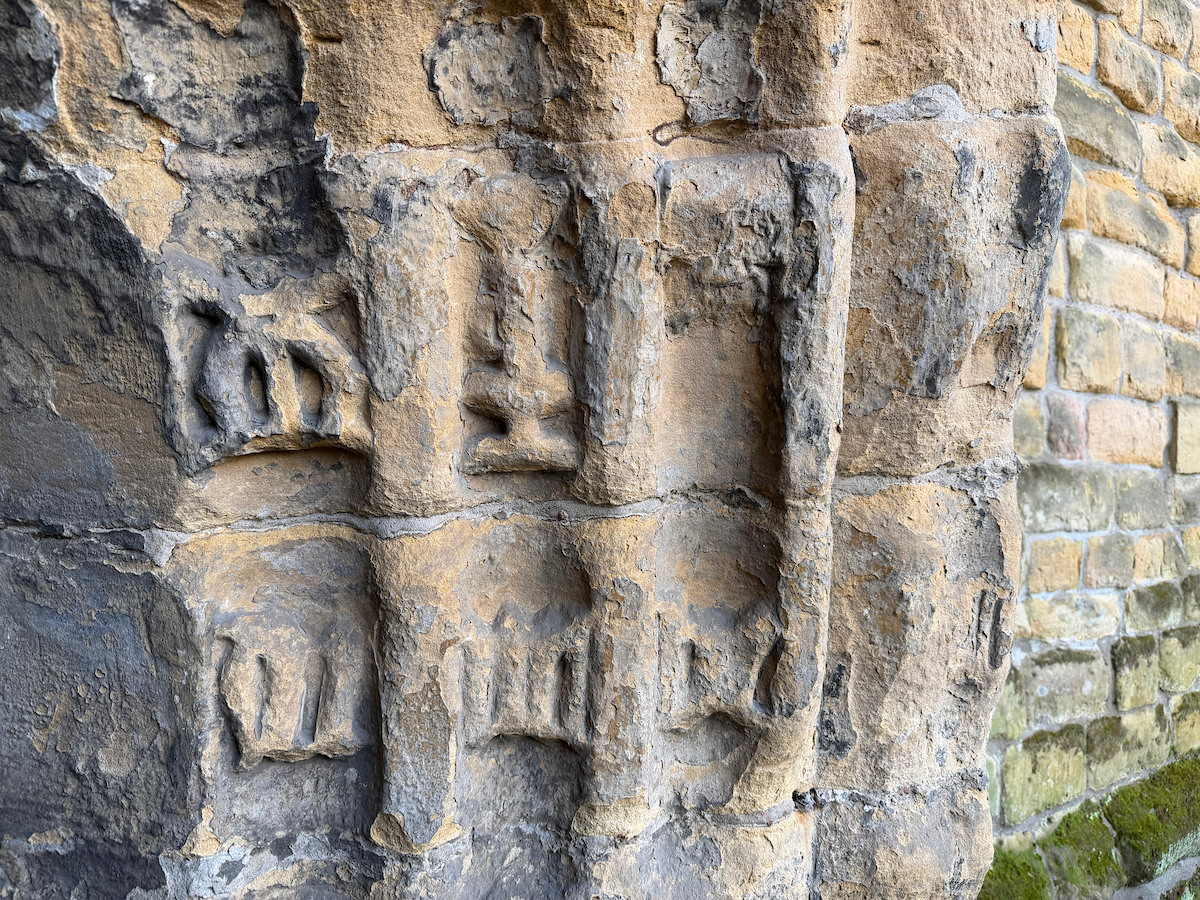
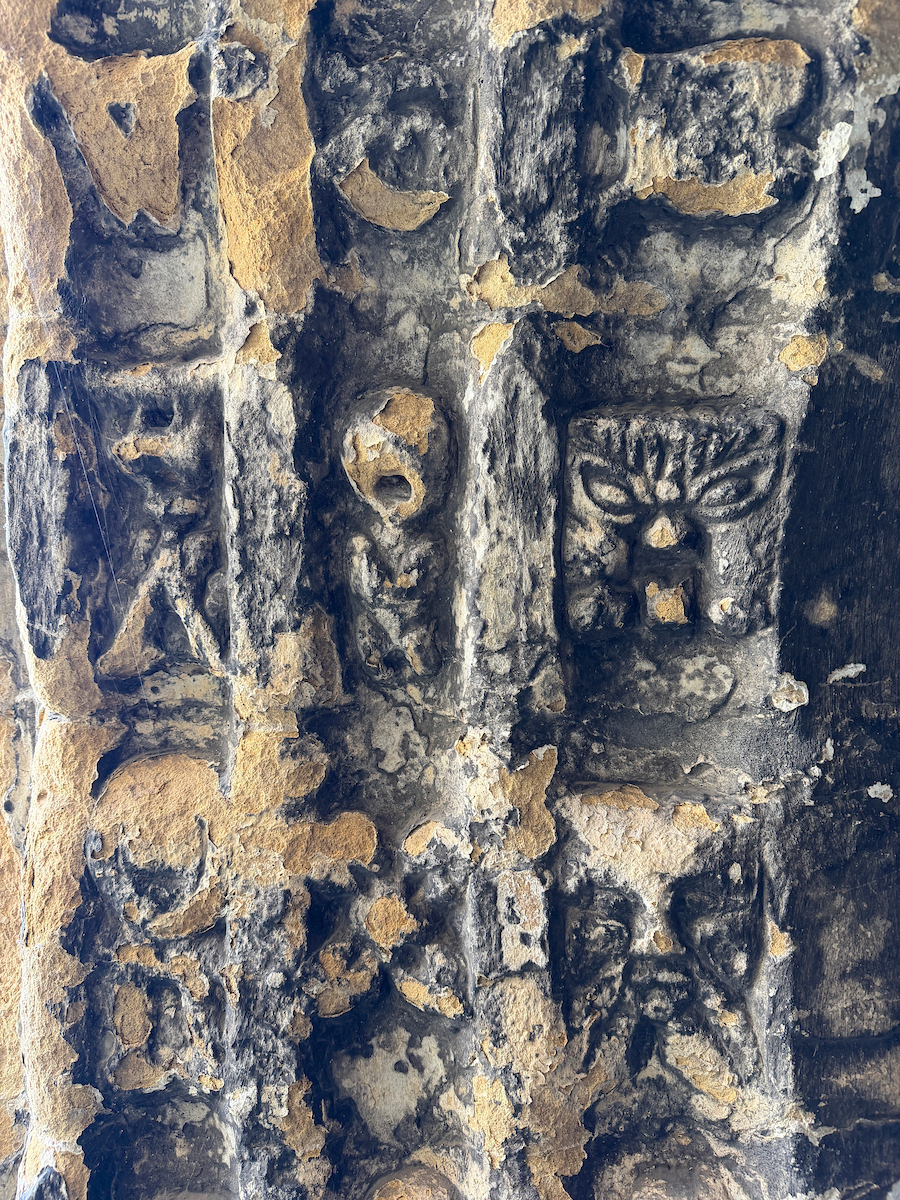
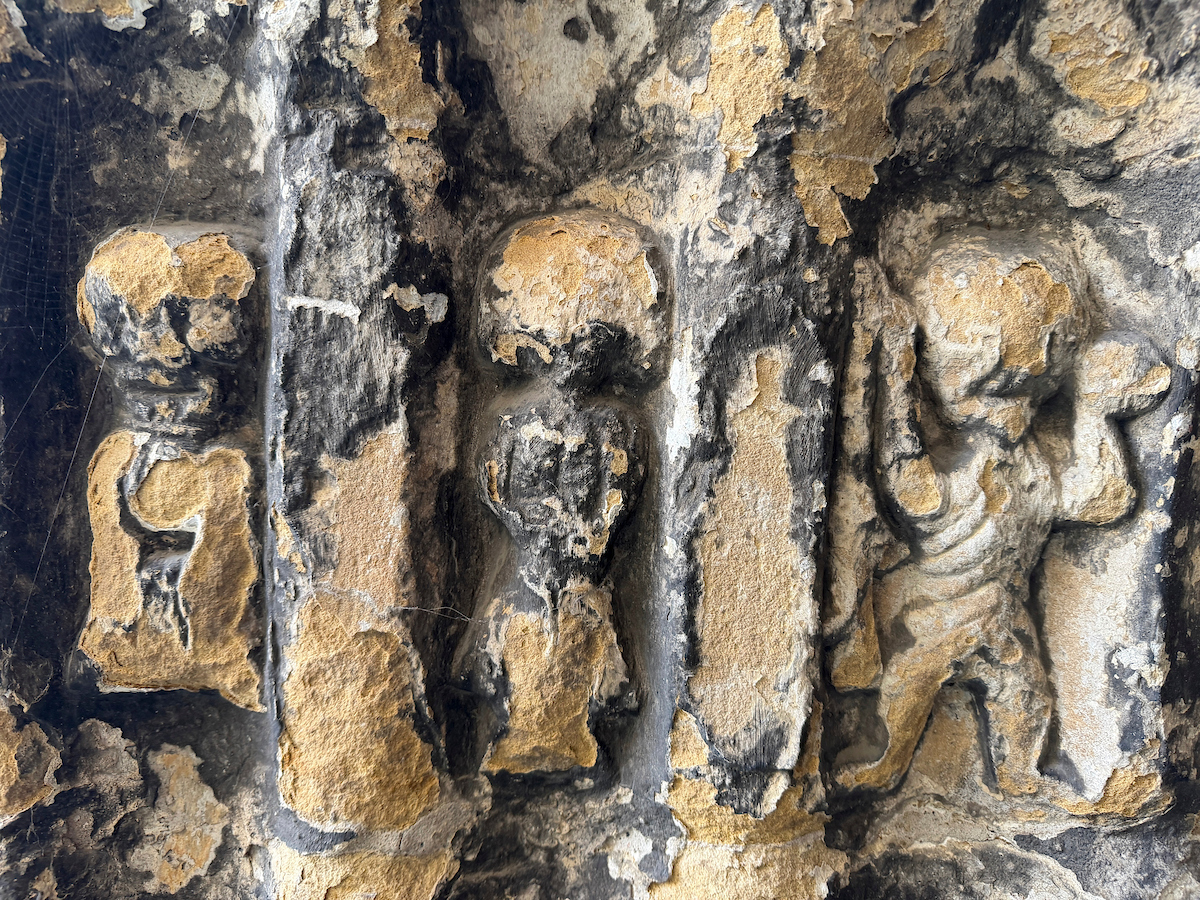
That feeling is perhaps most keenly held in the carved stones at the entrance — remnants of the original priory — where worn figures continue to look down on all those that pass through. They set the tone for everything that follows. This is not simply fabric to be repaired, but a place that is deeply rooted.
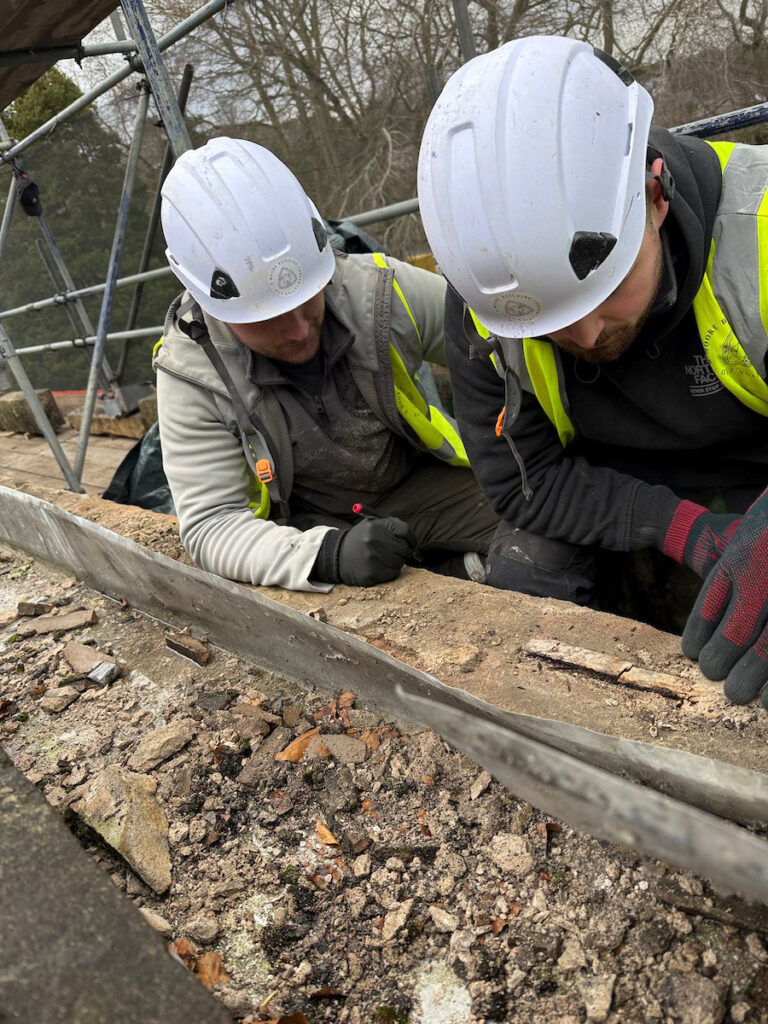
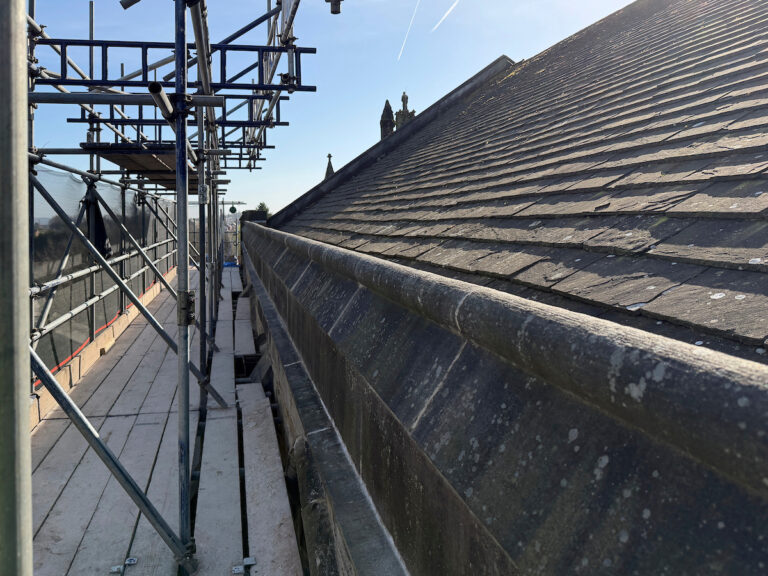
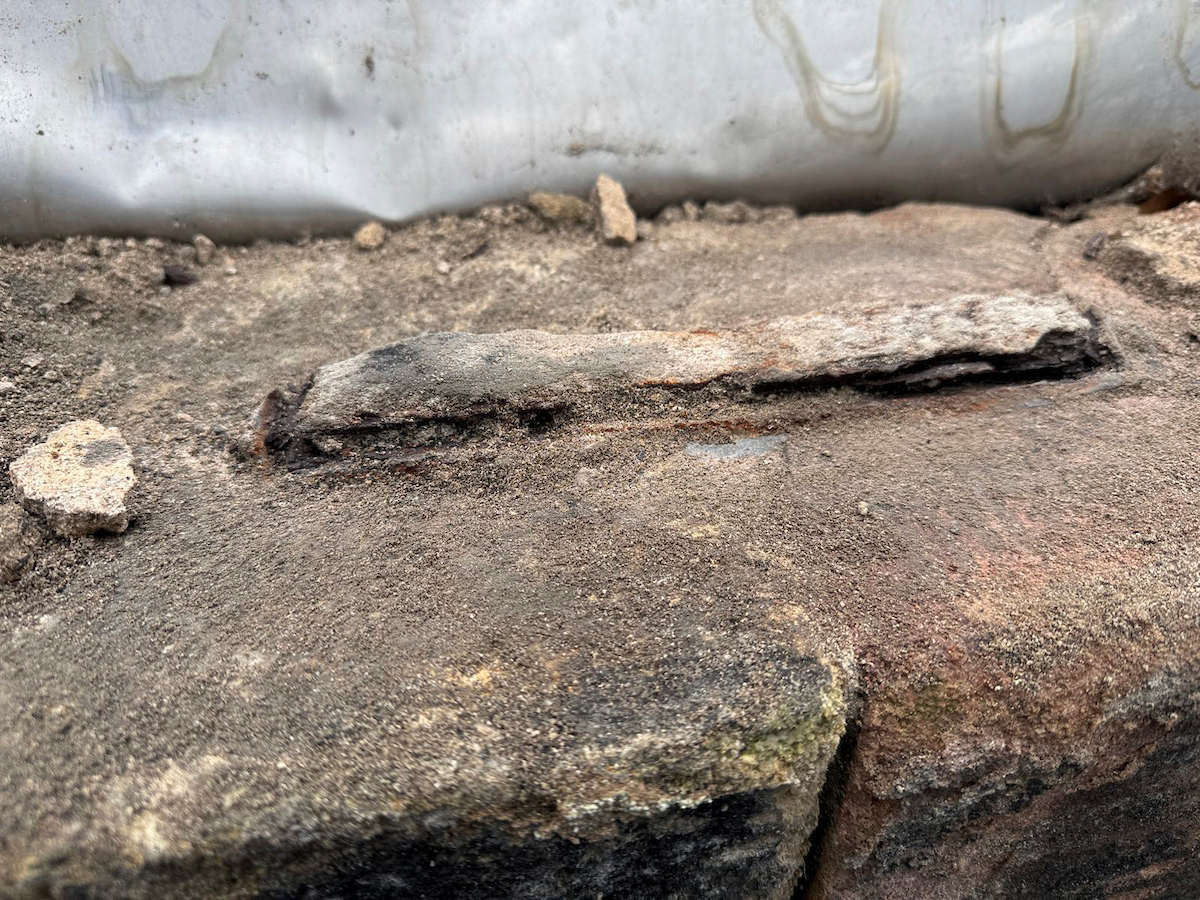
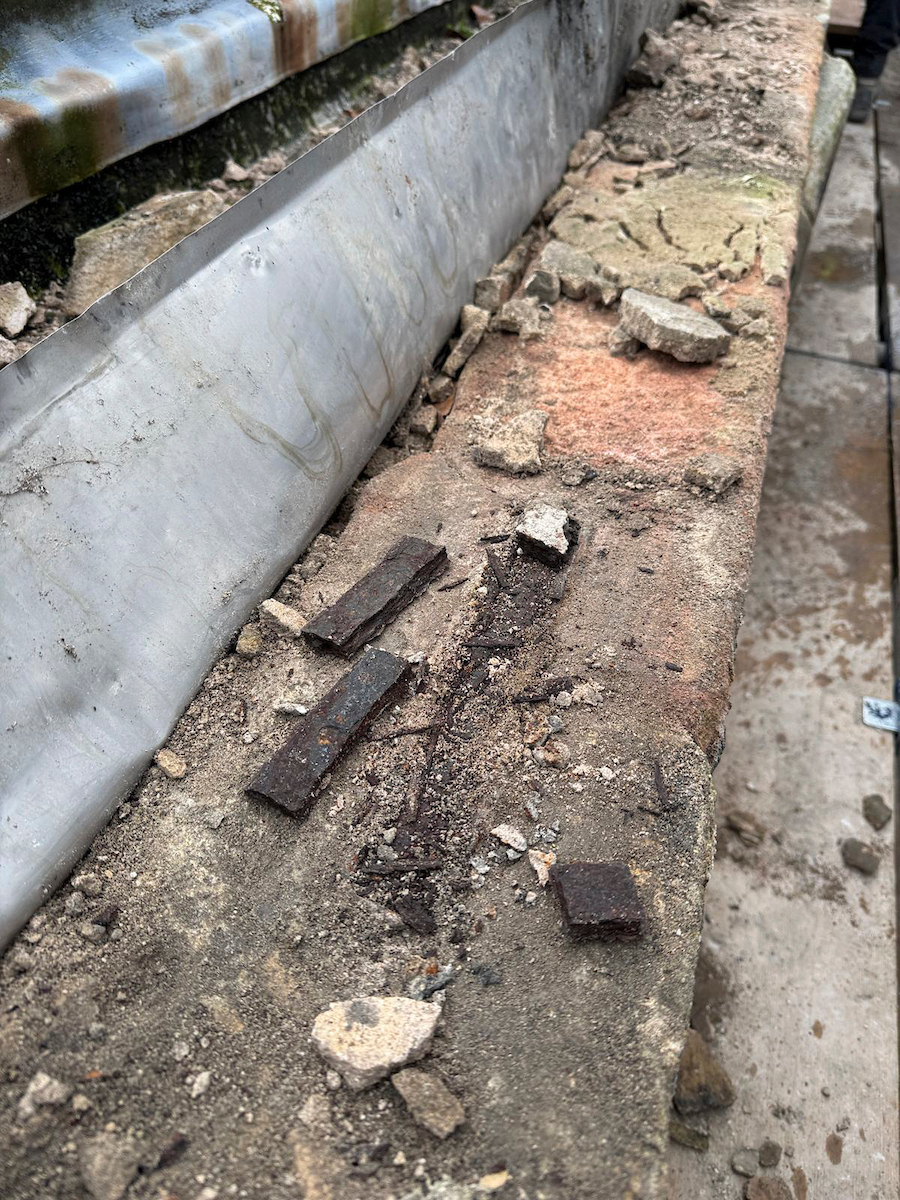
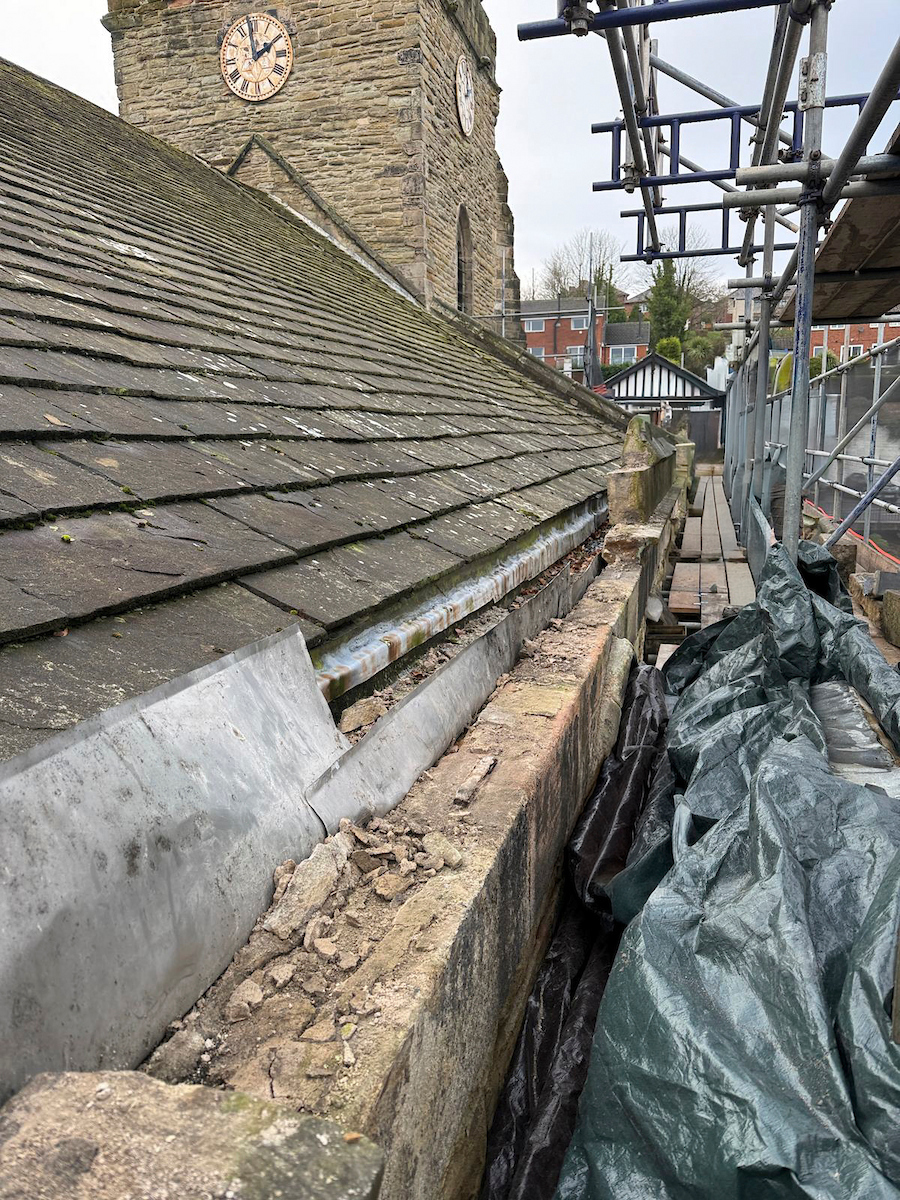
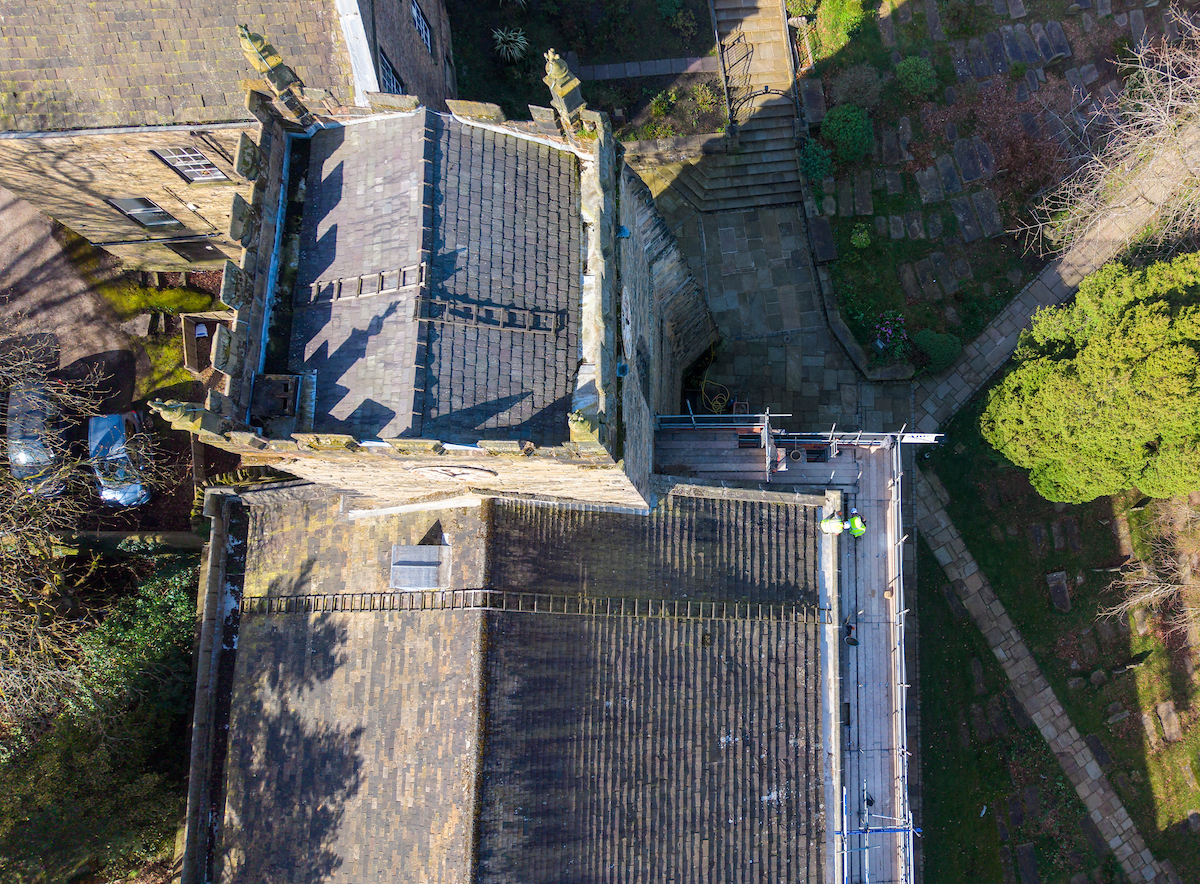
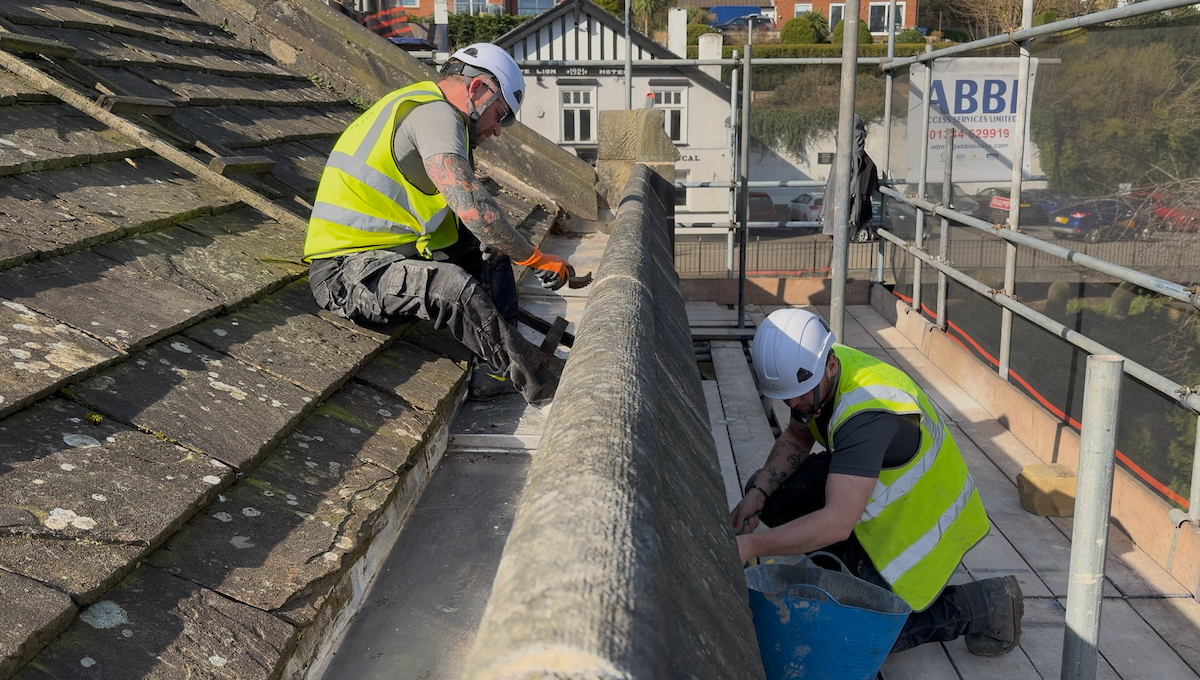
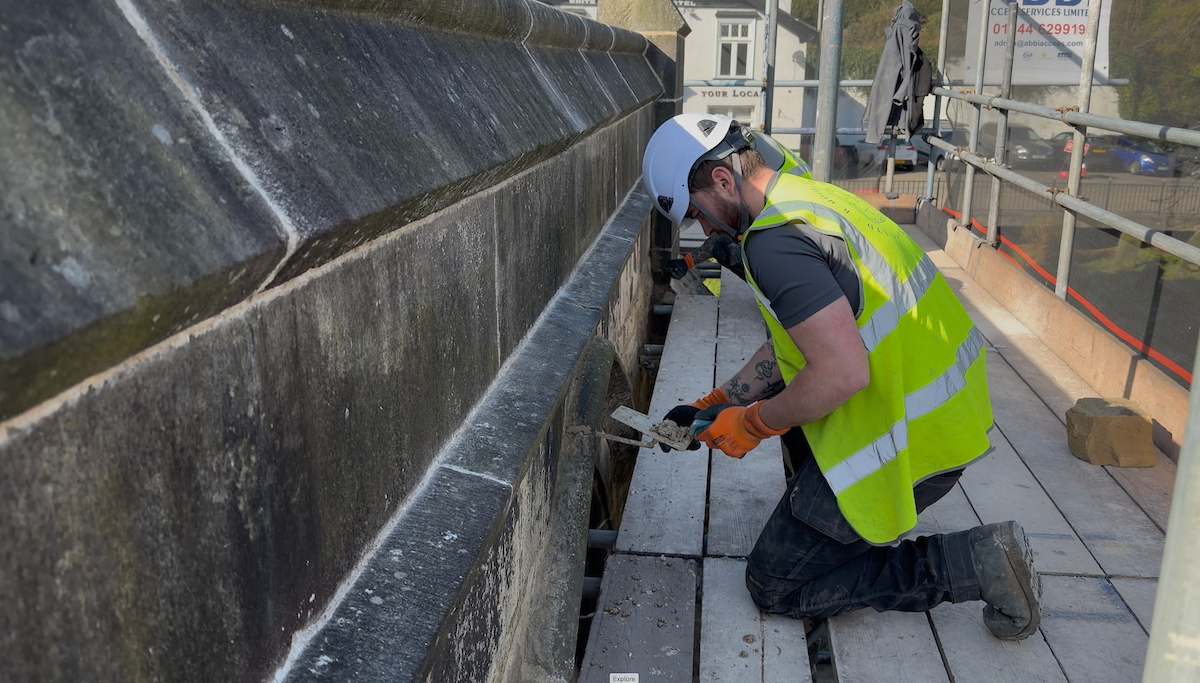
Our work focused on the north aisle parapet, where long-term weathering and the corrosion of historic iron cramps had led to movement and destabilisation of the coping stones. As the iron expands through oxidation, it exerts pressure from within — a slow, forceful process that fractures and displaces the surrounding stone.
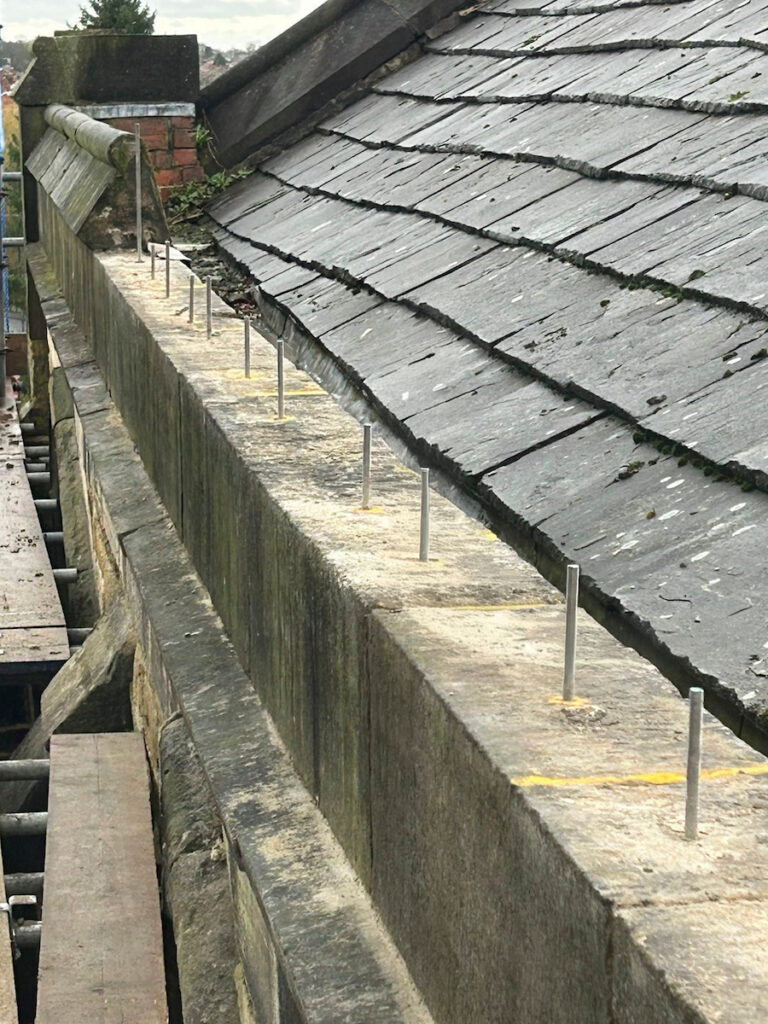
To address this, the copings were carefully dismantled and lifted. The failed ironwork was removed, and the stones were stabilised using stainless steel dowels, providing a durable and non-reactive method of restraint. Each element was then reset with appropriate hot lime mortar, allowing the structure to breathe and move as intended.
Alongside this, the parapet gutter — a critical but often overlooked component — was fully renewed, ensuring effective water management and reducing the risk of future ingress and decay.
This kind of work rarely seeks attention. It is sensitive, methodical, and often invisible once complete. But it is precisely this restraint — this willingness to work in service of the building rather than over it — that allows places like St Thomas’ to endure.